What to Eat Before and During a Trek: Best Foods for Energy
What to Eat Before and During a Trek: Best Foods for Energy (2026 Guide)
One of the biggest mistakes beginners make before a trek is not paying attention to food. Many hikers focus on shoes, backpacks, and gear but forget that proper nutrition plays a major role in trekking performance.
Eating the right foods before and during a trek can help improve stamina, maintain energy levels, reduce fatigue, and even prevent muscle cramps. On the other hand, poor food choices can leave you feeling tired, sluggish, or hungry halfway through your hike.
So, what should you eat before trekking? And what are the best foods to carry during a trek?
In this guide, we will cover the best foods for energy before and during a trek, foods to avoid, hydration tips, and practical trekking nutrition advice for beginners.
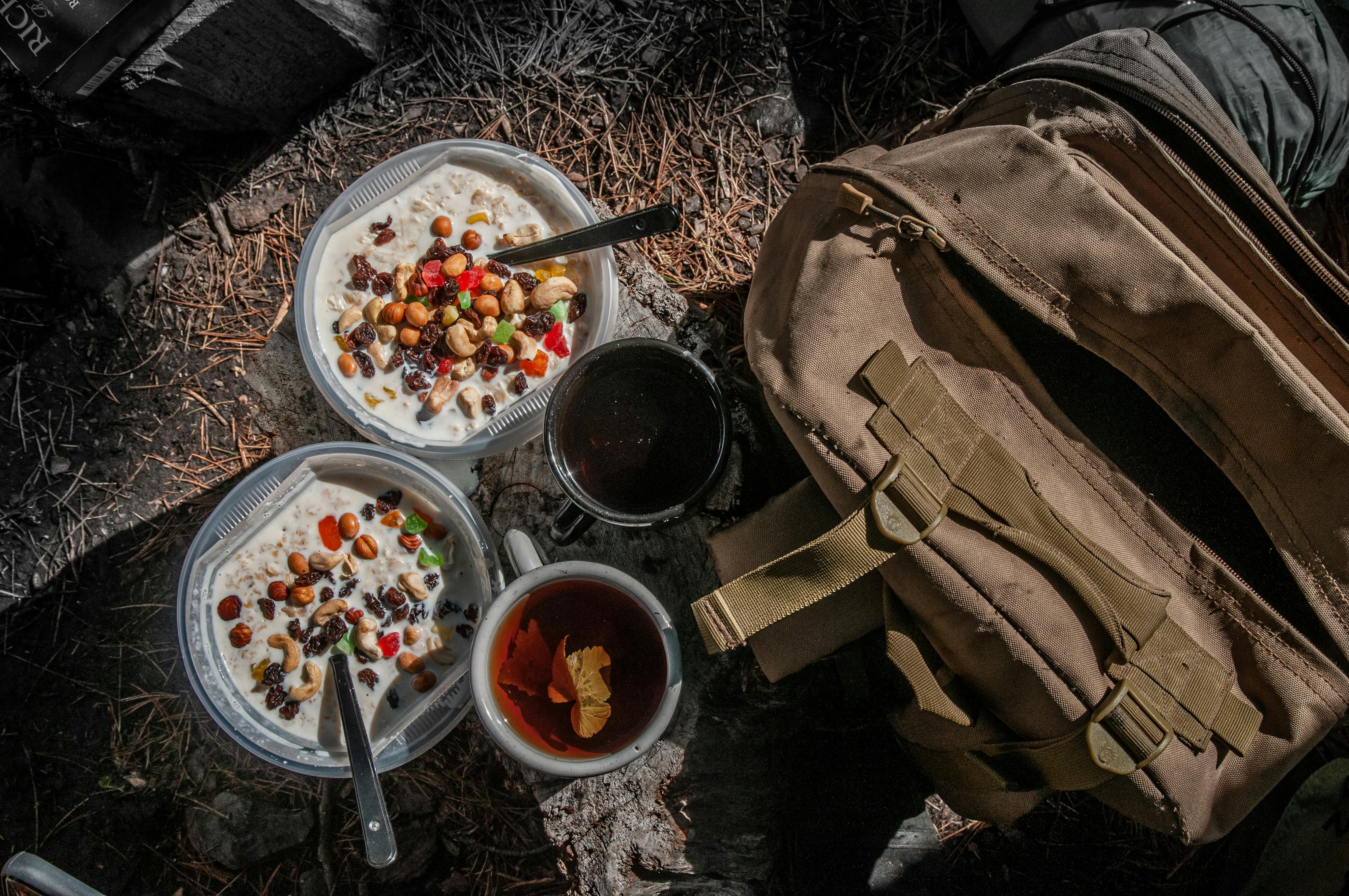
Why Food Matters During a Trek
Trekking uses a lot of energy, especially on steep climbs, uneven trails, or long-distance hikes. Your body burns calories faster during physical activity, and without proper fuel, energy levels can drop quickly.
Eating the right foods helps:
- Maintain steady energy levels
- Reduce tiredness and fatigue
- Support muscle recovery
- Improve focus and endurance
- Reduce the chances of weakness or dizziness
Whether you are planning a short day hike or a multi-day trek, nutrition matters more than many beginners realize.
What to Eat Before a Trek
The food you eat before a trek can influence how energetic and comfortable you feel on the trail. Ideally, you want meals that provide steady energy rather than quick sugar spikes.
The best pre-trek meals usually include a balance of carbohydrates, protein, and healthy fats.
1. Eat Complex Carbohydrates for Long-Lasting Energy
Carbohydrates are your body's main energy source during trekking. However, not all carbs are equal.
Complex carbohydrates release energy slowly, helping you stay energized longer.
Good options include:
- Oatmeal
- Brown rice
- Whole grain bread
- Sweet potatoes
- Bananas
- Whole wheat pasta
For example, eating oatmeal with banana a few hours before trekking can provide steady fuel without making you feel too heavy.
2. Include Protein in Your Meal
Protein helps support muscles and keeps hunger under control.
Good protein choices before trekking include:
- Eggs
- Greek yogurt
- Chicken
- Peanut butter
- Paneer
- Tofu
- Nuts and seeds
A breakfast with eggs and whole grain toast can be a simple but effective pre-trek meal.
3. Eat Healthy Fats in Moderation
Healthy fats provide extra energy during long treks, but eating too much can make you feel sluggish.
Good healthy fats include:
- Peanut butter
- Almonds
- Walnuts
- Avocados
- Seeds
A small amount is usually enough before a hike.
Best Foods to Eat 2–3 Hours Before Trekking
If you have time before your trek, try eating a balanced meal around two to three hours beforehand.
Some good meal ideas include:
- Oatmeal with banana and nuts
- Boiled eggs with whole grain toast
- Rice with grilled chicken or vegetables
- Peanut butter sandwich on whole wheat bread
- Yogurt with fruits and oats
These foods provide sustained energy without making you feel overly full.
What to Eat 30–60 Minutes Before a Trek
If you are short on time, stick to light and easy-to-digest snacks.
Some good options include:
- A banana
- Energy bars
- Dry fruits
- A handful of nuts
- Toast with peanut butter
Avoid eating large meals right before trekking, as this may cause discomfort or sluggishness.
Best Foods to Carry During a Trek
When trekking for several hours, your body needs regular fuel. Eating small amounts during the trek helps maintain energy and avoid crashes.
The best trekking foods are lightweight, easy to carry, and rich in nutrients.
1. Nuts and Trail Mix
Nuts are one of the best trekking snacks because they are lightweight and calorie-dense.
Trail mix often includes:
- Almonds
- Cashews
- Walnuts
- Raisins
- Dried fruits
- Seeds
This combination provides healthy fats, protein, and carbohydrates for long-lasting energy.
2. Bananas
Bananas are a favorite among hikers because they provide quick energy and potassium, which may help reduce muscle cramps.
They are especially useful for shorter treks.
3. Energy Bars or Granola Bars
Energy bars are convenient for trekking because they are easy to pack and quick to eat during breaks.
Look for bars with:
- Natural ingredients
- Moderate sugar levels
- Good protein content
Avoid bars loaded with excessive sugar, as they can lead to energy crashes later.
4. Dry Fruits
Dry fruits are excellent trekking snacks because they are compact and rich in natural sugars.
Good options include:
- Dates
- Raisins
- Apricots
- Figs
These can provide quick bursts of energy during difficult sections of a trek.
5. Sandwiches or Wraps
For longer treks, sandwiches or wraps can provide more filling nutrition.
Good fillings include:
- Peanut butter
- Eggs
- Chicken
- Vegetables
- Paneer
Choose foods that travel well and avoid ingredients that spoil easily.
6. Dark Chocolate
A small amount of dark chocolate can provide a quick energy boost and improve mood during long hikes.
Just avoid eating too much sugar at once.
Foods to Avoid Before and During Trekking
Some foods may seem tempting but can actually make trekking harder.
Try to avoid:
- Greasy fast food
- Heavy fried meals
- Excess sugar
- Too many sugary drinks
- Large heavy meals right before trekking
- Foods that upset your stomach
For example, eating oily fast food before a trek may leave you feeling uncomfortable or sluggish on the trail.
Do Not Forget Hydration
Food alone is not enough. Staying hydrated is just as important during trekking.
Even mild dehydration can lead to tiredness, headaches, poor concentration, and reduced performance.
Try to:
- Drink water regularly
- Carry enough water for the route
- Use hydration packs for convenience
- Replace electrolytes on long treks
If you need help choosing gear, check out our guide on Best Hydration Packs for Hikers.
Common Food Mistakes Trekkers Make
Many beginners accidentally make poor nutrition choices before a hike.
Common mistakes include:
- Skipping breakfast
- Not carrying enough snacks
- Eating too much sugar
- Trying unfamiliar foods
- Not drinking enough water
Planning your meals ahead of time can make trekking much more comfortable.
Sample Trekking Food Plan
Before the Trek
Oatmeal with banana and peanut butter plus water.
During the Trek
- Trail mix
- Banana
- Energy bar
- Sandwich
- Water or electrolytes
After the Trek
Eat a balanced meal with protein and carbohydrates to support recovery.
You may also like our guide on How to Recover After a Trek: Fitness & Care Tips.
Final Thoughts
Knowing what to eat before and during a trek can make a major difference in your hiking experience. The right foods help improve energy, stamina, and comfort while reducing the chances of fatigue.
Before trekking, focus on balanced meals with carbohydrates, protein, and healthy fats. During the trek, choose lightweight snacks like nuts, bananas, dry fruits, sandwiches, and energy bars to stay fueled.
Good nutrition will not guarantee an easy trek, but it can make the journey far more enjoyable and help you perform at your best.
Frequently Asked Questions
What is the best food to eat before trekking?
Foods rich in carbohydrates and protein, such as oatmeal, eggs, whole grain bread, bananas, and yogurt, are good options before trekking.
What snacks are best during a trek?
Trail mix, nuts, bananas, energy bars, dry fruits, and sandwiches are some of the best trekking snacks.
Should I eat during a trek?
Yes. Eating small snacks during a trek helps maintain energy levels and reduce fatigue.
What foods should I avoid before hiking?
Avoid greasy, fried, overly sugary, or heavy meals before trekking because they may make you feel sluggish or uncomfortable.
How much water should I carry while trekking?
The amount depends on weather, trek length, and difficulty, but always carry enough water and drink regularly throughout the hike.


Comments